
A safe and supportive space for individuals navigating their relationship with food, body image and movement
Come As You Are. Grow At Your Own Pace.

A safe and supportive space for individuals navigating their relationship with food, body image and movement
Athletes & Movement
Support for athletes navigating performance pressures, body image, and their relationship with exercise and food.
Body Image
Build self-compassion and develop a healthier, more positive relationship with yourself.
Eating Disorder Disordered Eating Support
Explore patterns, beliefs and behaviours in a safe non-judgmental space. Compassionate coaching to support your path to recovery.
A Different Kind Of Support
The Blue Bird Room was created for the people in the in-between. For those who are just starting to struggle, waiting for support, deemed not "ill enough", or simply wanting to feel understood and supported. You don't have to be at your lowest to deserve support. There is always room for compassion, empathy and hope.
A warm welcoming space in a country setting where you can show up exactly as you are. Human to human. Not cold or clinical, but rooted in real connection, emapthy and understanding.


You Shouldn't Have To Reach A breaking Point To Deserve Support
Meet the Founder
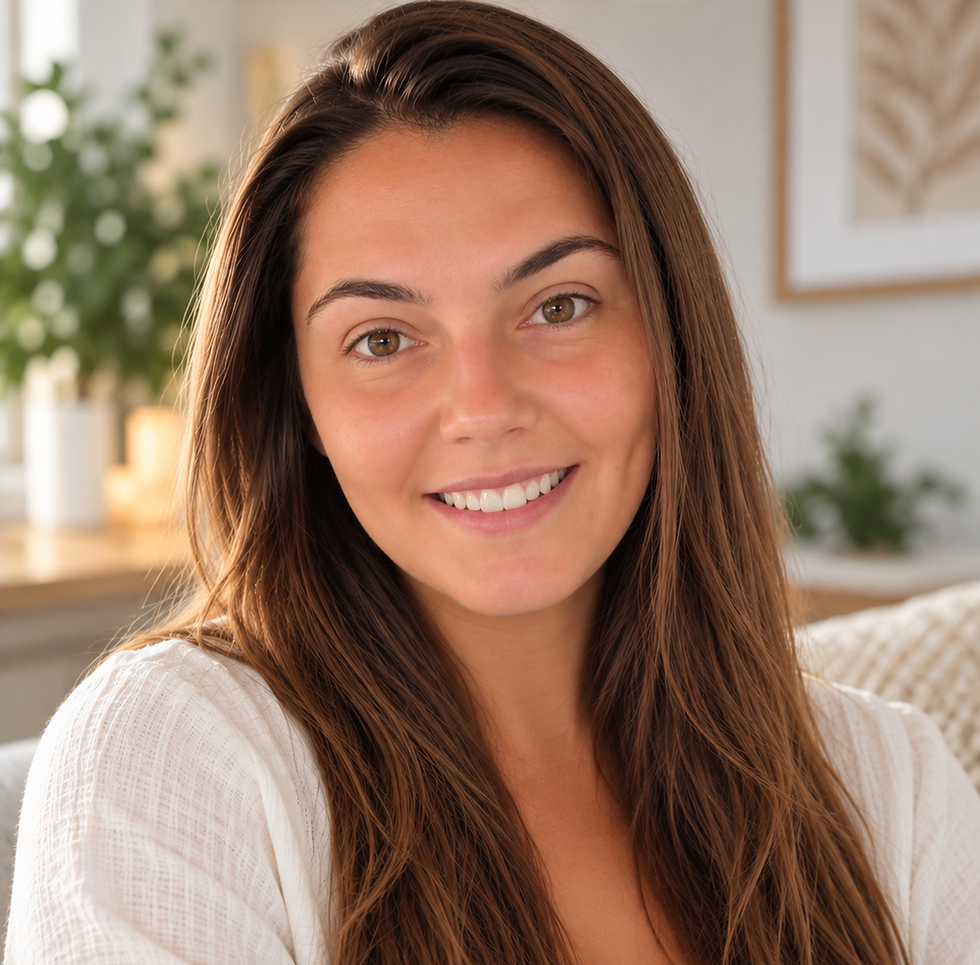
This is a space to share more about your business: who's behind it, what it does and what this site has to offer. It’s an opportunity to tell the story behind the business or describe a special service or product it offers.